
Blog
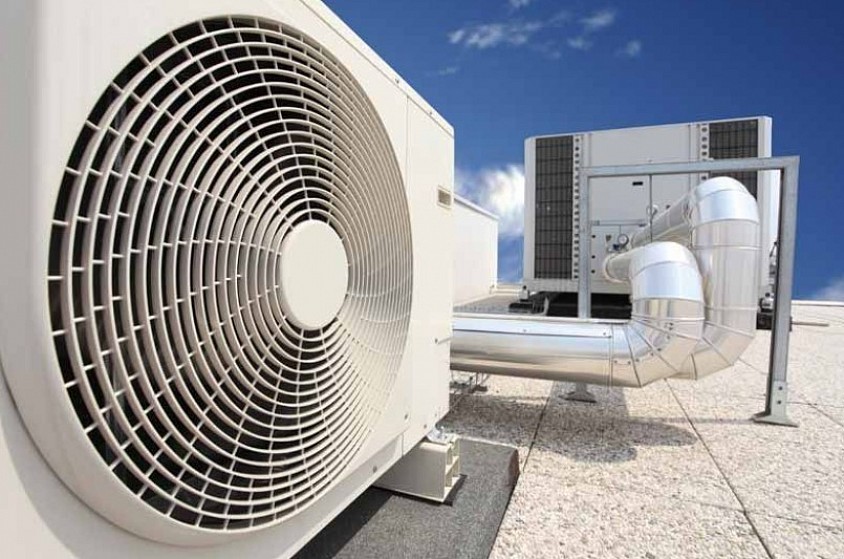
Smarter HVAC Trends Homeowners Should Know for Reliable Comfort
Homes and businesses increasingly expect heating and cooling systems to deliver precise comfort, energy savings, and better air quality without complication.
Smart thermostats and connected controls are redefining comfort
Modern controls go far beyond simple temperature dials, offering adaptive schedules, remote access, and precise zoning to match how spaces are actually used. A well-chosen smart thermostat can learn patterns, pre-heat or pre-cool before occupants arrive, and recommend minor setpoint changes that improve comfort without sacrificing efficiency. For example, a home office that heats up from afternoon sun gains stability when the thermostat anticipates that heat gain and gently ramps airflow earlier. Voice integration and geofencing add convenience, but the most valuable features are often the least flashy: clear wiring terminals, robust Wi‑Fi connectivity, and compatibility with multi-stage or variable-speed systems. Homeowners exploring thermostat installation columbus can benefit from a site assessment that checks existing wiring, control board capacity, and any zoning dampers before selecting a model. In small retail spaces, connected controls can also lock out unauthorized setpoint changes, maintaining consistent conditions that protect merchandise and customer comfort.
Heat pump advancements broaden year-round efficiency
High-efficiency heat pumps now manage a wider range of outdoor conditions with quieter operation and more even temperatures indoors. Variable-speed compressors and inverter-driven fans fine-tune output to the building’s load instead of cycling on and off, which reduces temperature swings and wear. In practice, this means a living room stays steady during a chilly, damp morning, then smoothly adjusts as clouds break and solar gain increases. Proper sizing and commissioning remain critical: too large, and the system short-cycles; too small, and it struggles on peak days. Ductless mini-splits can solve targeted comfort issues—like a bonus room over a garage—without major duct modifications. Meanwhile, ducted heat pumps paired with ECM blowers deliver whole-home balance, particularly when ducts are sealed and returns are correctly sized. When evaluating options, prioritize matched indoor–outdoor equipment, refrigerant line integrity, and clear condensate routing to prevent nuisance shutdowns.
Indoor air quality strategies pair with HVAC for healthier spaces
Comfort is not just about temperature. Effective filtration, controlled ventilation, and humidity management support well-being and protect finishes and electronics. Upgrading to a higher MERV filter can capture finer particles, but airflow must be verified so the blower does not strain. In a practical setup, a deep-pleat media filter offers strong capture with less pressure drop compared to thin, restrictive inserts. Energy recovery ventilators can exchange stale indoor air with fresh outdoor air while tempering temperature and humidity, which helps in tightly sealed homes. In humid months, dedicated dehumidification relieves the air conditioner from doing all the moisture work, keeping relative humidity in a comfortable range and reducing the potential for microbial growth. Ultraviolet lights and enhanced filtration can further address specific concerns, such as odors near a kitchen pass-through or allergens carried in from a mudroom. The most effective programs integrate these components so the thermostat logic and fan profiles support both air cleanliness and comfort.
Duct design, sealing, and balancing protect system performance
Airflow moves energy; if ducts leak or are poorly sized, even premium equipment underperforms. Common signs include a bedroom that never reaches the setpoint, whistling at registers, or a system that seems loud yet delivers weak airflow. Sealing accessible ducts with mastic, insulating runs in unconditioned spaces, and correcting sharp transitions can restore designed static pressure and improve delivery to distant rooms. On a recent retrofit scenario, merely adding a properly sized return in a back hallway reduced noise, evened temperatures, and allowed a lower fan speed for quieter operation. Balancing dampers help tune each branch so open living areas do not starve bedrooms. Supply registers that throw air across ceilings reduce drafts while improving mixing; meanwhile, undersized grills can be upgraded to low-resistance models that look clean and perform better. After any duct changes, a verification pass measuring temperature split and pressure confirms the gains are real and repeatable.
Preventive maintenance and seasonal planning sustain reliability
Routine checkups keep HVAC equipment operating smoothly and extend useful life. A solid checklist includes cleaning outdoor coils, confirming refrigerant parameters are within manufacturer ranges, tightening electrical connections, calibrating thermostats, verifying condensate drainage, and inspecting safety controls. For gas furnaces, burner cleanliness and proper venting ensure safe, efficient combustion; for heat pumps, defrost logic and sensor placement deserve attention before cold snaps. In practical terms, catching a weak capacitor or a partially clogged drain pan in spring prevents mid-July breakdowns. Filter changes matter more than most realize: the right filter, replaced on time, protects coils, reduces energy use, and sustains airflow. Planning upgrades alongside maintenance visits streamlines improvements—such as swapping in a smart thermostat, adding a return, or integrating dehumidification—so the system works as a coordinated whole. Keep simple records of filter sizes, service dates, and any comfort observations; that context helps technicians fine-tune settings and prioritize next steps for comfort, efficiency, and durability.
Keeping Cool Under Pressure: Practical HVAC Insights for Reliable Comfort All Season
Hot, humid stretches test every air conditioner, which is why homeowners and property managers benefit from proven HVAC practices that keep systems efficient, dependable, and ready for prolonged demand.
Seasonal tune-ups protect performance when heat lingers
A cooling system faces its toughest challenges during extended heat. A thorough seasonal tune-up helps uncover airflow restrictions, worn belts, weak capacitors, or low refrigerant that could turn a minor issue into an outage on a sweltering afternoon. A trusted technician will clean coils to restore heat transfer, clear condensate drains to prevent water damage, and check electrical connections for safe operation. Think of it like preparing a car before a cross-country drive: a small investment in attention saves time, frustration, and discomfort when temperatures peak. For example, a light layer of grime on an outdoor coil may not be obvious from a distance, but even thin debris can lengthen run times and raise indoor humidity. After a careful cleaning and air filter replacement, many homeowners notice shorter cooling cycles and steadier comfort.
Airflow is king: filters, vents, and duct integrity
The most efficient compressor and blower can’t compensate for poor airflow. Start with high-quality, properly sized filters and replace them regularly during heavy use. Keep supply vents fully open and return grilles free of obstructions like furniture or drapes to maintain balanced circulation. If certain rooms stay muggy or warmer than others, the culprit may be duct leakage or inadequate sizing. Professional duct inspections can locate crushed runs, loose connections, or missing insulation that waste energy and stress equipment. A practical example: an upstairs bedroom that never cools evenly might have a leaky branch in the attic. Sealing joints and adding insulation around that run can improve comfort noticeably without touching the outdoor unit. Good airflow also supports indoor air quality by helping your system filter dust and pollen more effectively, which is especially helpful during high-pollen stretches.
Thermostat strategy that aligns comfort with efficiency
A thermostat acts like the conductor of your HVAC orchestra. Smart scheduling minimizes energy waste while preserving comfort during occupied hours. For work-from-home schedules, consider a gentle setback in the morning and a gradual ramp to your target temperature by midafternoon, when heat gain is highest. Avoid large, abrupt setpoints that can cause long, stressful run times. Instead, use small, consistent adjustments. If your thermostat supports geofencing, it can start cooling as you head home, so the house is comfortable on arrival without overcooling when you’re out. Placement matters too: avoid direct sunlight, ovens, or drafts that can skew readings. Here’s a practical example: on a hot weekend, set a stable temperature that holds through the afternoon instead of waiting until late day to cool a warm home. Keeping the indoor temperature from drifting too high can require less total run time and reduce indoor humidity swings.
Moisture management and indoor air quality go hand in hand
High humidity makes rooms feel warmer, encourages microbial growth on coils, and can leave a faint, musty odor. An AC naturally dehumidifies as it cools air, but it needs the right conditions to do it well. Clean evaporator coils, unobstructed airflow, and correct refrigerant charge all influence how effectively moisture is removed. If a home consistently struggles with stickiness even when temperatures are acceptable, consider further solutions such as whole-home dehumidification or targeted ventilation improvements in kitchens, bathrooms, and laundry areas. Simple habits help too: run exhaust fans during showers and cooking, and keep doors and windows closed during peak humidity. As an example, a home with frequent indoor gatherings might see humidity rise in the evening; using a steady, moderate cooling setpoint plus bathroom and kitchen exhaust can keep moisture in check and enhance comfort without overcooling the space.
Recognizing repair cues early prevents costly downtime
Small changes often signal a need for attention: longer cooling cycles, warm air from vents, ice on refrigerant lines, intermittent system starts, or unusual clicking and humming. Acting promptly can protect compressors, motors, and control boards from bigger failures. Search locally for experienced help—ac repair columbus is a common way residents find nearby expertise for diagnosing issues like weak airflow or thermostat miscommunication. Provide clear details about symptoms, such as when noises occur or whether issues appear after storms or during the hottest hours. Clear access to the indoor air handler and outdoor condenser also helps technicians work efficiently. As a practical example, a faint buzzing at startup might indicate a failing capacitor; addressing it promptly can restore smooth operation and prevent strain on the motor. Timely repairs paired with regular maintenance extend equipment life and help avoid emergency calls during peak demand.